

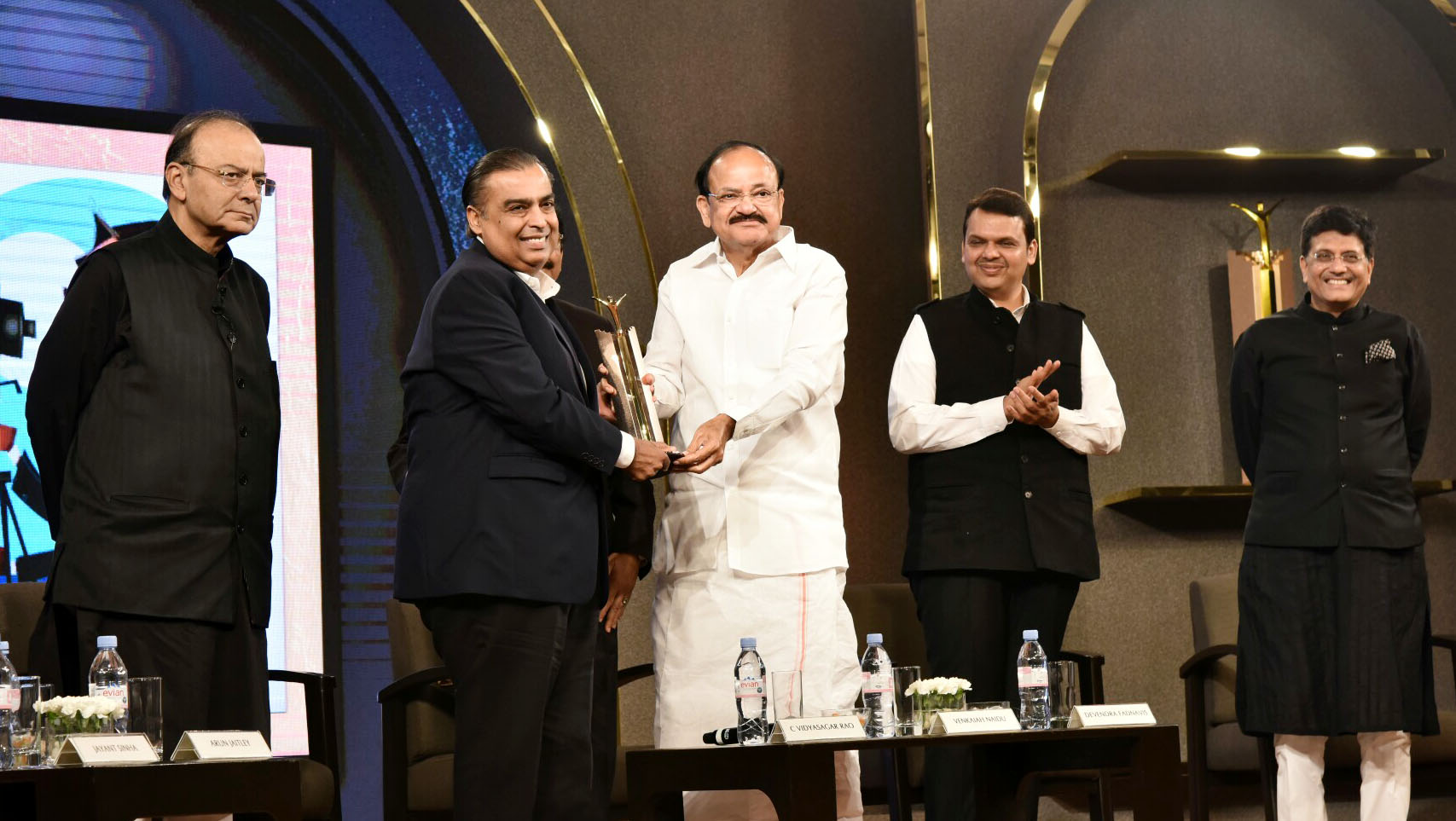
“If you want to become an entrepreneur, you will have to figure things out on your own.”
This powerful lesson, shared by Mukesh Ambani about advice from his father, Dhirubhai Ambani, captures one of the most important differences between being an entrepreneur and simply managing a business.
According to Mukesh Ambani, his father told him: “Only managers are told what is to be done, not entrepreneurs.”

The message is simple but deeply relevant: entrepreneurs cannot always wait for instructions, a roadmap or someone else to show them the way. They must learn to identify problems, make decisions, take initiative and accept responsibility for the outcome.
What Does the Quote Really Mean?
An entrepreneur operates in an environment where there is often no predefined roadmap.
A manager may receive objectives, processes and instructions. An entrepreneur, however, frequently has to decide:
- What problem needs to be solved?
- What opportunity is worth pursuing?
- What should be done next?
- How can limited resources be used effectively?
- What should be done when there is no obvious answer?
This requires independent thinking and the confidence to make decisions.
The lesson behind Dhirubhai Ambani’s advice was not simply about starting a company. It was about developing a mindset of ownership, accountability and initiative.

Why This Lesson Matters for Entrepreneurs Today
The entrepreneurial environment has changed dramatically. Technology, startups, artificial intelligence, digital businesses and global markets have created opportunities for people to build businesses from almost anywhere.
Yet one challenge remains remarkably familiar: waiting for someone else to provide the answer.
Many aspiring entrepreneurs look for constant approval, perfect plans or detailed instructions before taking action.
But entrepreneurship rarely works that way.
The ability to figure things out independently can become one of the most valuable skills for anyone trying to build something new.
The source material highlights several realities of today’s entrepreneurial environment, including the growth of India’s startup culture, the importance of independent thinking and the challenge of overcoming self-doubt and indecision.
Entrepreneurship Requires a Mindset Shift
Starting a business is not only about having an innovative idea.
It is also about changing the way you approach problems.
Instead of asking:
“Who will tell me what to do?”
an entrepreneur learns to ask:
“What needs to be done, and how can I make it happen?”
That shift changes everything.
It encourages people to take responsibility for decisions rather than waiting for perfect conditions. It also creates a willingness to experiment, learn from mistakes and move forward despite uncertainty.
Failure Is Part of the Learning Process
One of the important lessons from this philosophy is that clarity does not always come before action.
Sometimes, people understand the right direction only after taking the first step.
That means failure should not automatically be viewed as the opposite of success. A failed decision can provide information, experience and a clearer understanding of what should happen next.
Entrepreneurs therefore need the courage to make decisions while accepting that not every decision will be correct.
7 Lessons Every Entrepreneur Can Learn
1. Stop Waiting for Instructions
Entrepreneurship begins when you become comfortable taking initiative instead of waiting for someone else to tell you what to do.
2. Develop Independent Thinking
Advice and mentorship are valuable, but entrepreneurs ultimately have to make their own decisions.
3. Take Ownership
Successful leaders accept responsibility not only for their successes but also for their mistakes.
4. Learn From Problems
The challenges in front of you can become some of your greatest teachers.
5. Take Action
A perfect plan may never arrive. Sometimes action itself creates the clarity needed to move forward.
6. Become Comfortable With Uncertainty
Entrepreneurship involves risk and uncertainty. Learning to navigate both is an essential part of the journey.
7. Build Self-Reliance
The ability to solve problems independently is not necessarily something people are born with. It is a capability that develops through practice and experience.
How to Apply This Philosophy in Everyday Life
You do not have to own a multinational company to develop an entrepreneurial mindset.
Start with small decisions.
When you encounter a problem, first try to find a solution yourself. Take responsibility for small projects. Make decisions without constantly seeking approval. Study how successful entrepreneurs approached problems that had no obvious solutions.
Most importantly, learn from mistakes rather than allowing them to stop you.
The source material recommends embracing uncertainty, developing self-reliance and surrounding yourself with people who encourage independent thinking.
The Bigger Message
The deeper message behind Dhirubhai Ambani’s advice is that entrepreneurship is not simply about owning a business.
It is about taking ownership of your direction in life.
A person with an entrepreneurial mindset does not necessarily have all the answers. Instead, they develop the confidence to search for those answers.
They see problems as opportunities to learn, uncertainty as a space for growth and mistakes as part of the process.
In a world filled with information, opinions and advice, the ability to think independently and figure things out can be a powerful advantage.
Final Thought
The entrepreneurial journey rarely comes with a complete roadmap.
There will be uncertainty. There will be mistakes. There will be decisions that do not work out as expected.
But that is also what makes entrepreneurship different.
You are not simply following a path. You are creating one.
And perhaps that is the most enduring lesson behind Mukesh Ambani’s recollection of his father’s advice: if you want to build something of your own, you must be willing to figure things out for yourself.